Field note
How a bench holds a square
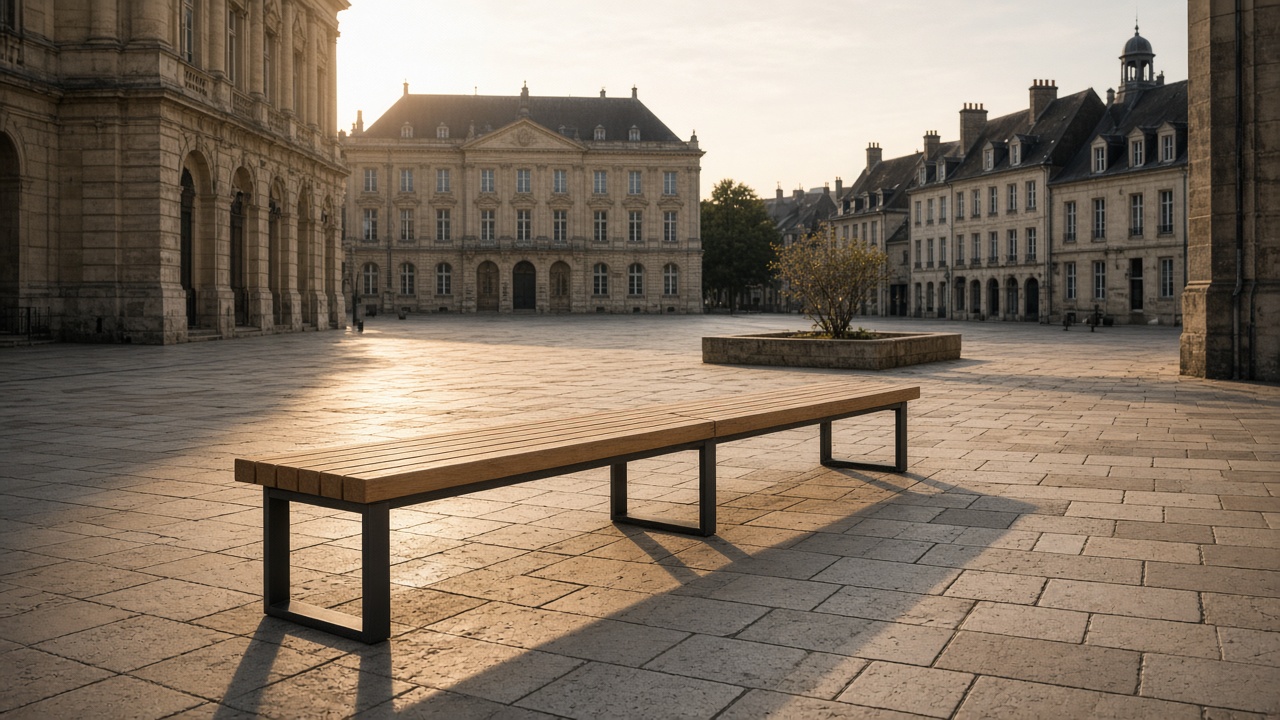
A square without a seat is a corridor that got lost. The bench is what tells the paving it can stop being a route.
People do not describe a square by its stone. They describe who was there, and where they waited. A bench aimed at the long diagonal gives the wait a direction. Aimed at a wall, it becomes a timeout. Quoin draws the first and tries not to be hired for the second.
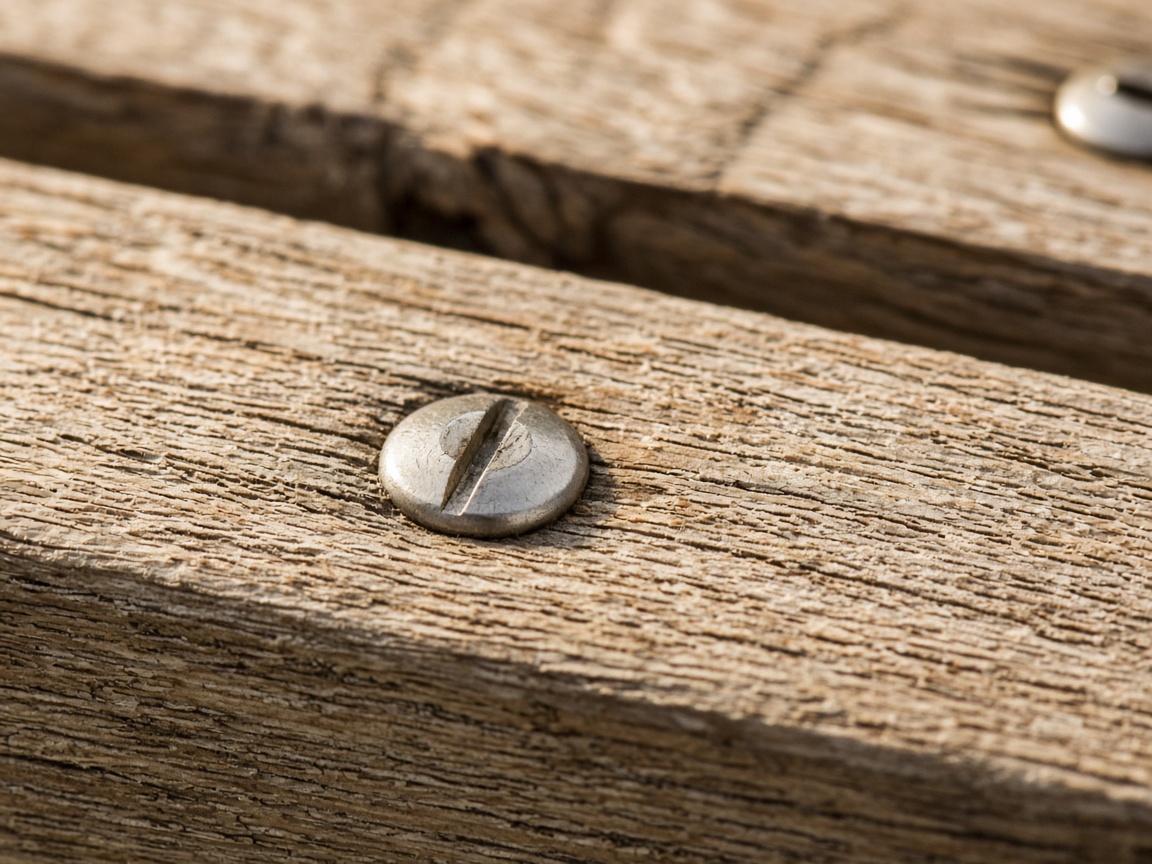
The slat gap is a small decision with a loud result. Too tight and the seat holds water. Too wide and a bag falls through, which is a kind of review. The Sable gap is the width of a pencil. That is the whole specification, and it took a winter.
None of this is for sale here. The workshop is fictional. The argument is not: public furniture is mostly the art of staying out of the way until someone needs to sit.